
Exploring the Ideas Shaping Better Public Health.
Reflections on research, policy, healthy ageing, health equity and the evolving challenges facing health systems and communities.
The People and Experiences Behind My Public Health Journey.
Over the past two decades, my work in public health has taken me across countries, communities and institutions, from working alongside marginalised populations in remote areas to engaging with policymakers, academics and international organisations. I have had the privilege of leading research, managing health programmes, supporting governments and contributing to policy discussions on issues ranging from HIV and health equity to women's health, immunisation and healthy ageing.
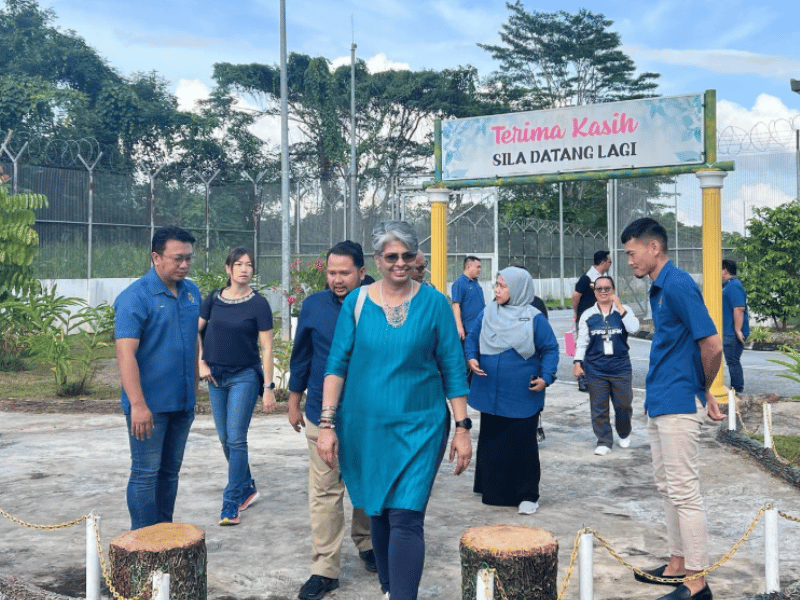
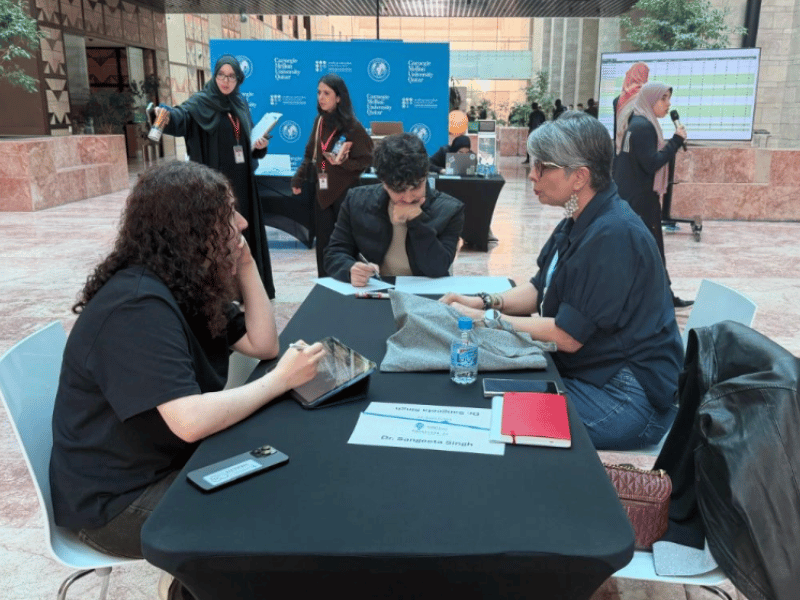
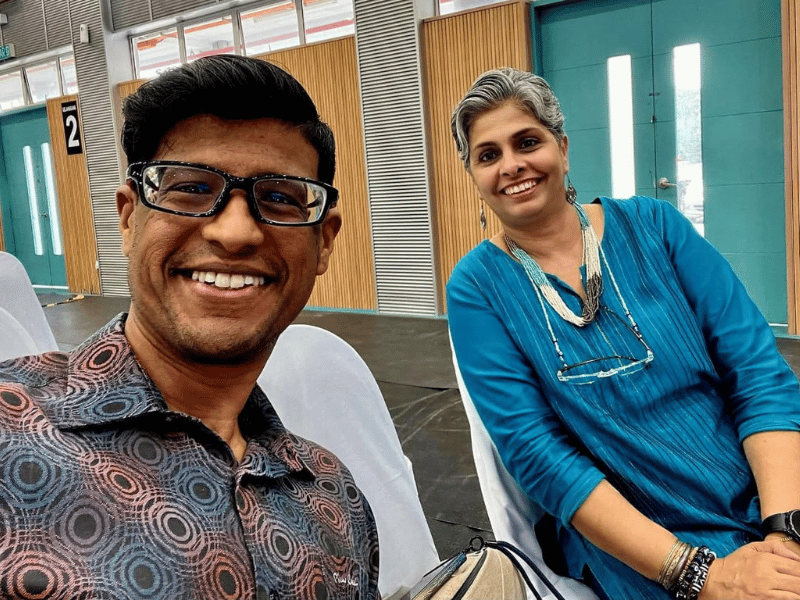
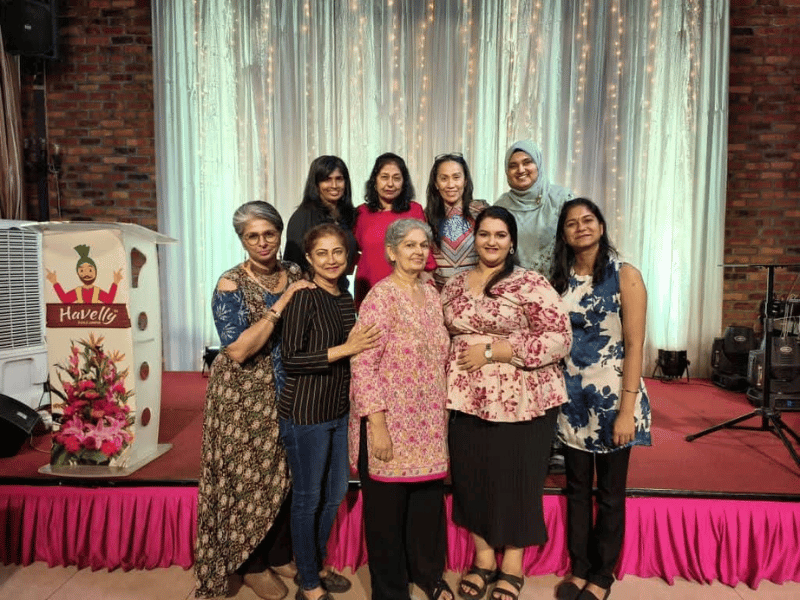
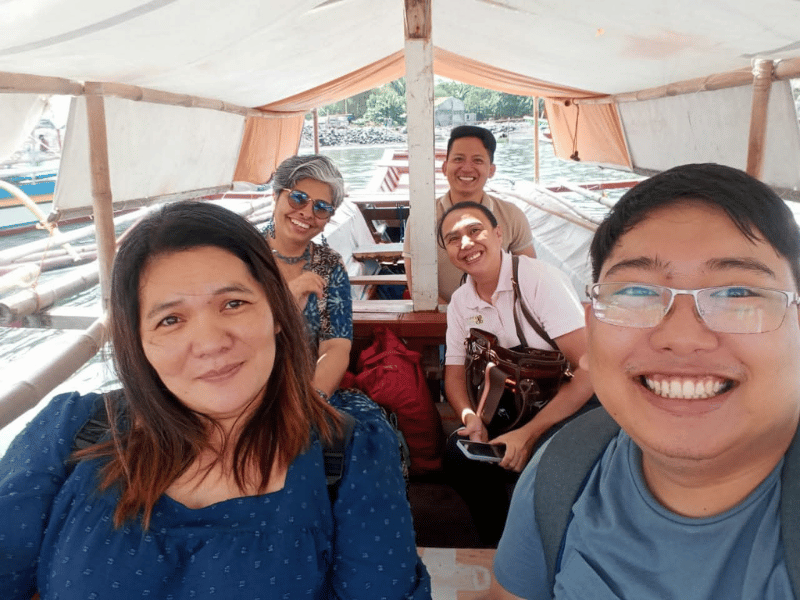
But when I look back, it is not only the projects, reports or achievements that stand out. It is the people I have met, the conversations that have challenged my thinking, the communities that have trusted me with their experiences and the colleagues who have become lifelong friends. Whether working with community health workers in the Philippines, supporting health programmes in Cambodia and Vietnam, helping shape an age-friendly Penang or contributing to global health discussions in Qatar, each experience has taught me something that no textbook could.
I have always believed that meaningful public health work begins with listening, understanding people's realities and finding practical ways to make a difference. These photographs capture some of those moments, from field visits and community engagements to presentations, collaborations and friendships. They are reminders that behind every policy, research finding and programme are people, and ultimately, they are the reason I continue doing this work.
Moments Along the Journey
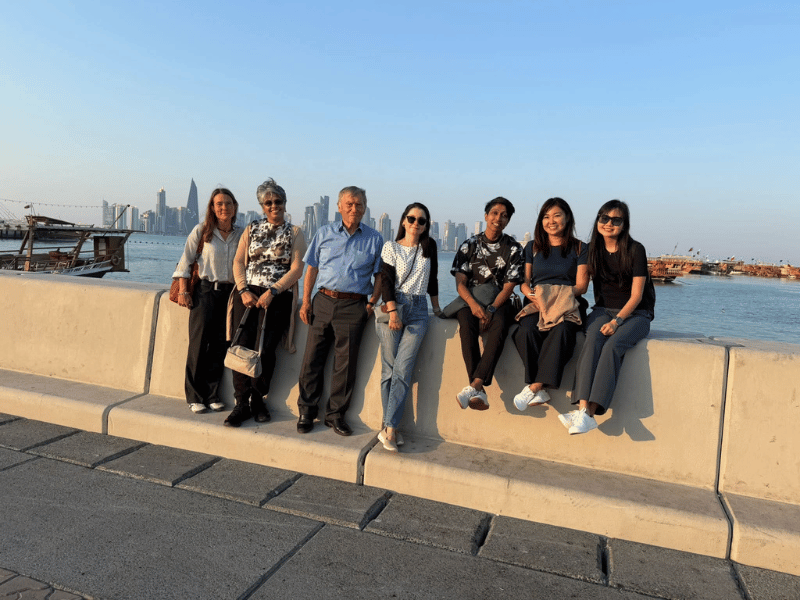

Beyond the Research. Understanding What Matters.
Public health challenges rarely exist in isolation.
They are influenced by the places people live, the systems they depend on, the opportunities available to them and the policies shaping their everyday lives.
Through this platform, I share perspectives on emerging health challenges, research findings and practical approaches that can contribute to more inclusive and sustainable public health outcomes.
Drawing on experience across public health research, policy development and programme implementation, these reflections aim to encourage informed discussions and practical thinking about the future of population health.

What Makes a City Truly Age-Friendly?
An age-friendly city is not defined simply by the availability of ramps, public benches or activities for older adults.
While these facilities are important, the broader question is whether people can continue to live independently, participate in their communities and access essential services as they age.
Creating an age-friendly environment requires a coordinated approach involving urban planning, transport, healthcare, housing, accessibility and social inclusion.
Equally important is the involvement of older adults and communities in identifying priorities and shaping the solutions intended to serve them.
Age-friendly planning should recognise that people experience ageing differently. Health status, mobility, socioeconomic circumstances, access to technology and the availability of family or community support can influence the ability to participate fully in everyday life.
For this reason, age-friendly initiatives require more than infrastructure improvements. They need responsive services, inclusive decision-making, accessible information and systems that can adapt to changing population needs.
A city's progress should therefore be measured not only by the initiatives introduced, but by how effectively those initiatives improve everyday experiences and quality of life.
This is where research, community participation and ongoing evaluation become essential to meaningful age-friendly development.
More Perspectives
Exploring how research, policy and community experience connect to better health outcomes.
COMMUNITY WELLBEING
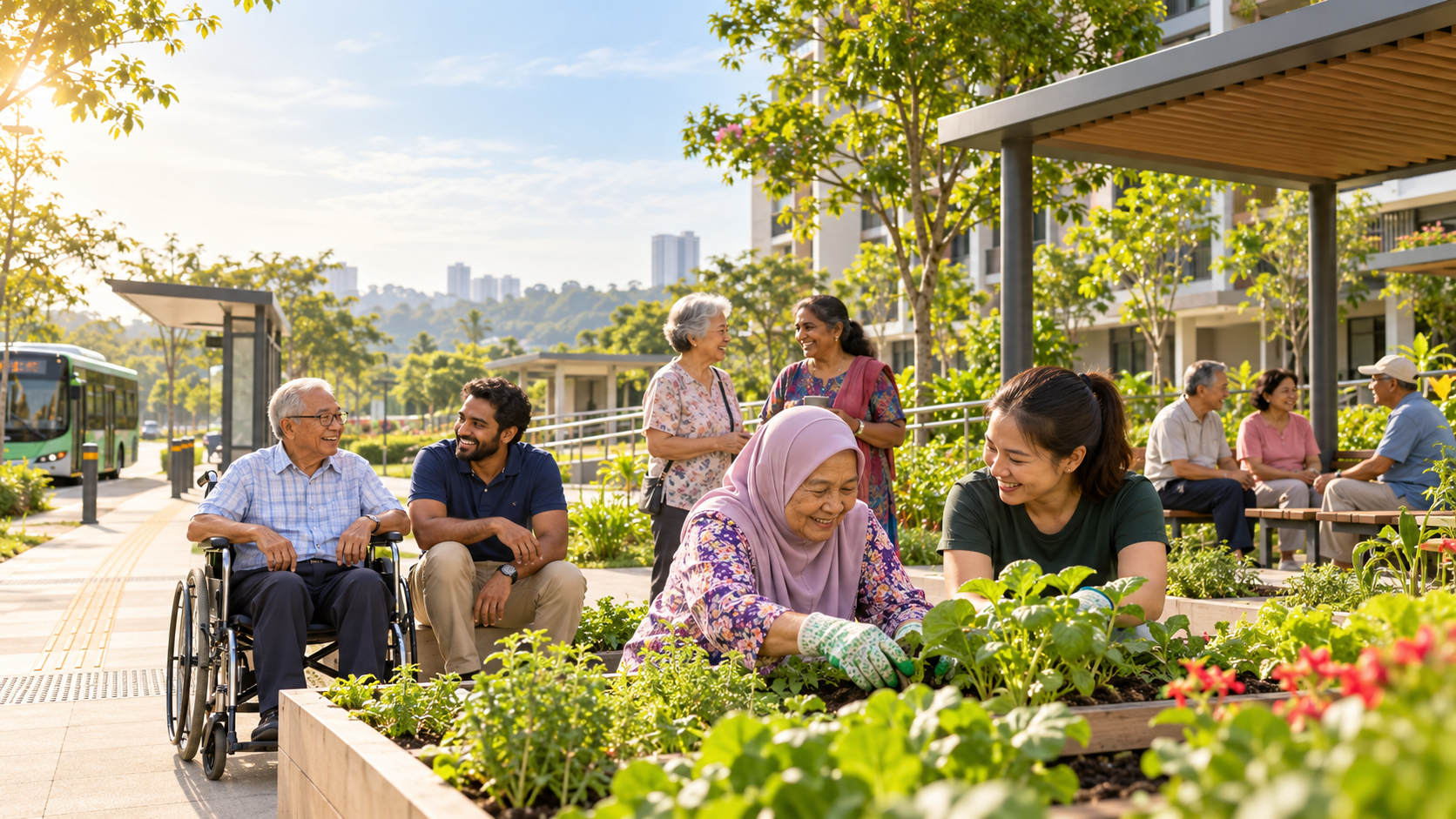
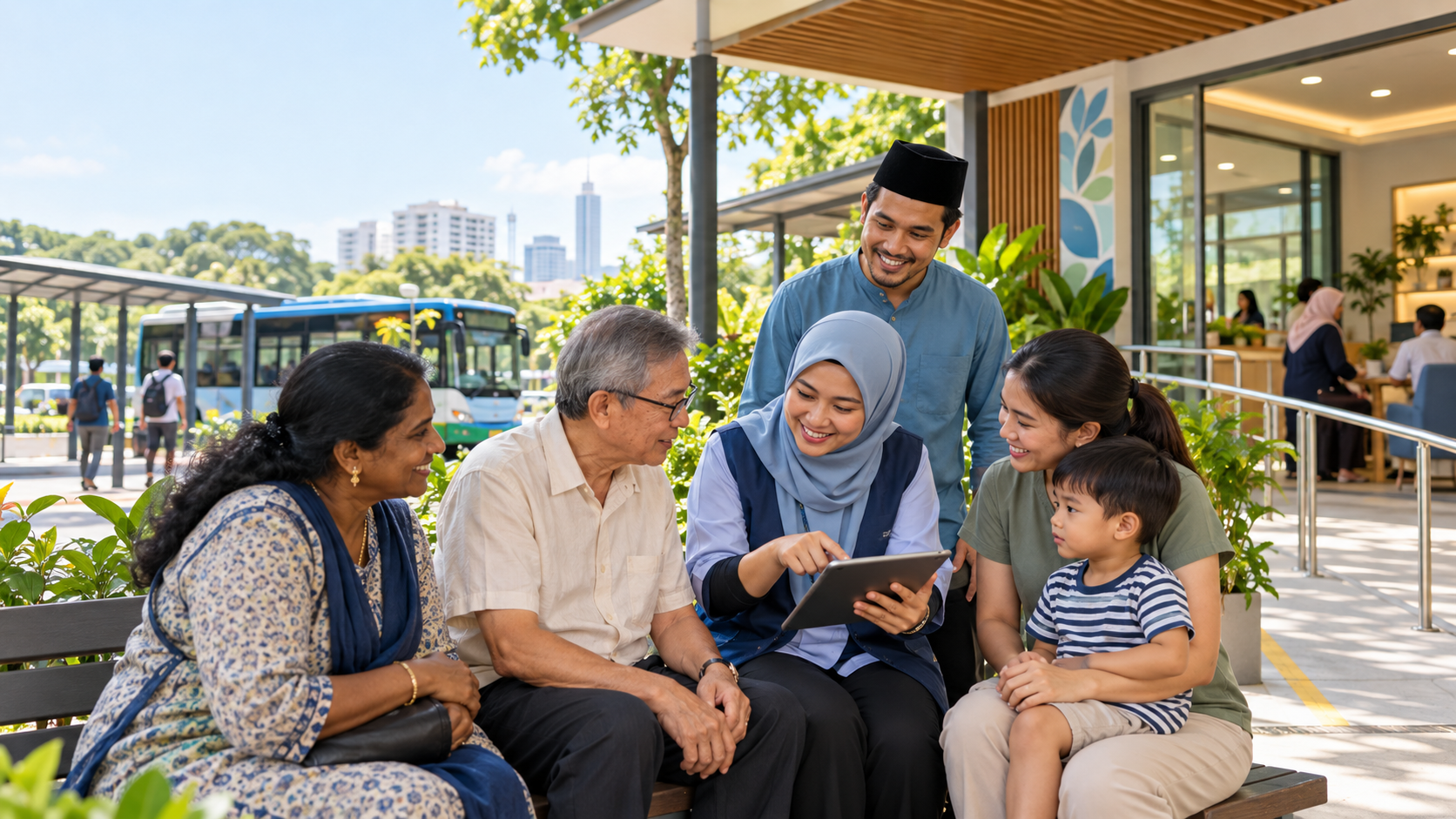
Healthy Ageing Is Everyone’s Responsibility
Population ageing has implications that extend beyond healthcare. It affects housing, transport, community support, employment, social participation and the way public services are designed and delivered.
Creating supportive environments for ageing populations requires meaningful collaboration between governments, communities, service providers and individuals.
Why Health Equity Must Be at the Centre of Public Health
Equitable healthcare is not simply about making the same services available to everyone. It requires understanding why certain communities face greater barriers to care and identifying practical solutions that address those barriers.
Factors such as gender, geography, income, education, disability and social circumstances can influence health opportunities and outcomes.

From Research to Real-World Public Health Impact
Research provides essential knowledge, but meaningful public health improvements depend on how that knowledge is interpreted and applied.
Evidence-informed policymaking requires collaboration between researchers, institutions, programme implementers and communities. The challenge is not only to generate reliable evidence, but to translate it into strategies that are practical, inclusive and sustainable.
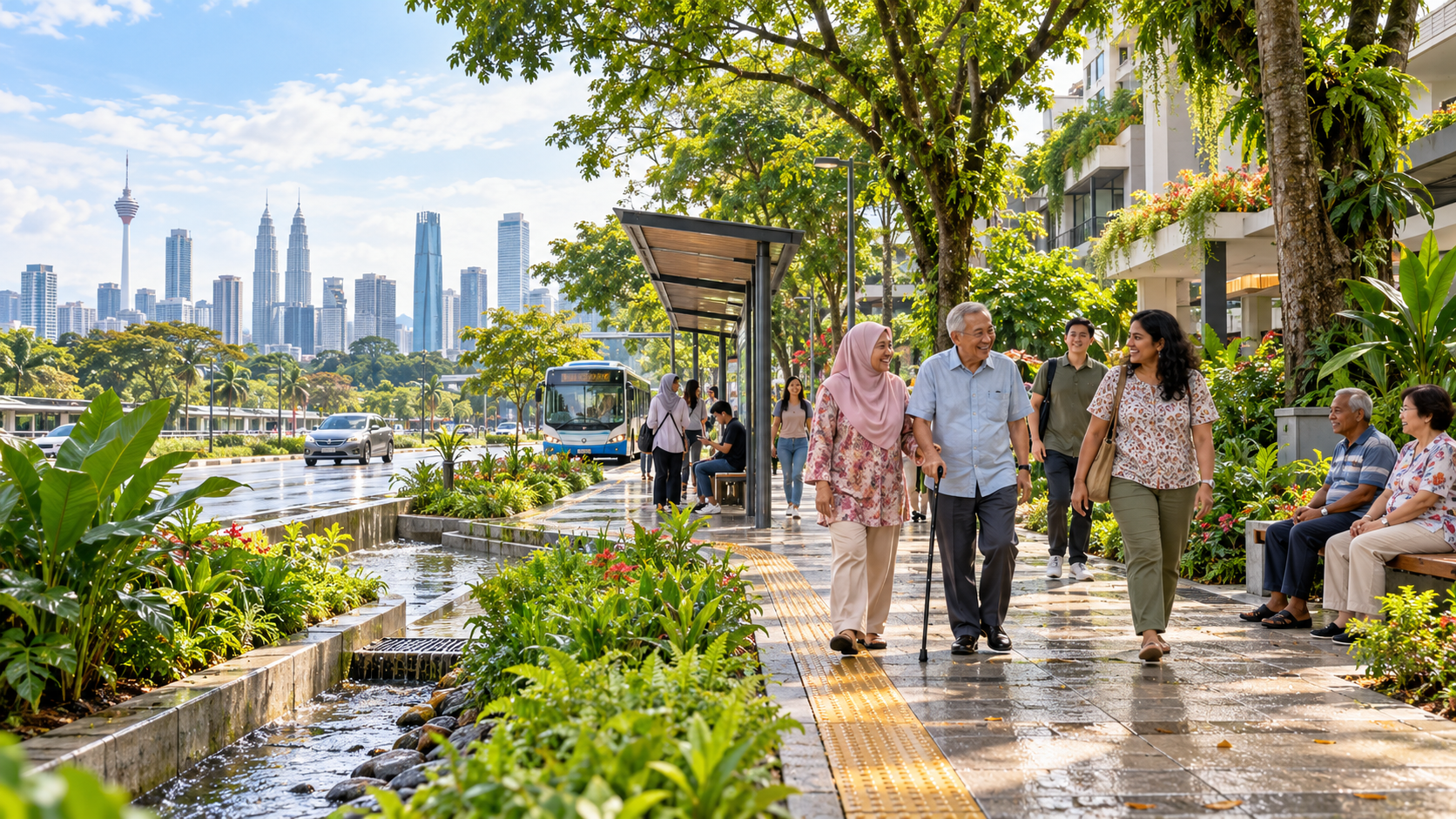
Building Climate-Resilient and Healthy Cities
Cities increasingly face challenges associated with climate change, population ageing, urbanisation and unequal access to essential services.
Public health considerations must be integrated into decisions about urban planning, infrastructure, housing, transportation and emergency preparedness. A healthy city is one that considers the wellbeing and resilience of all residents.
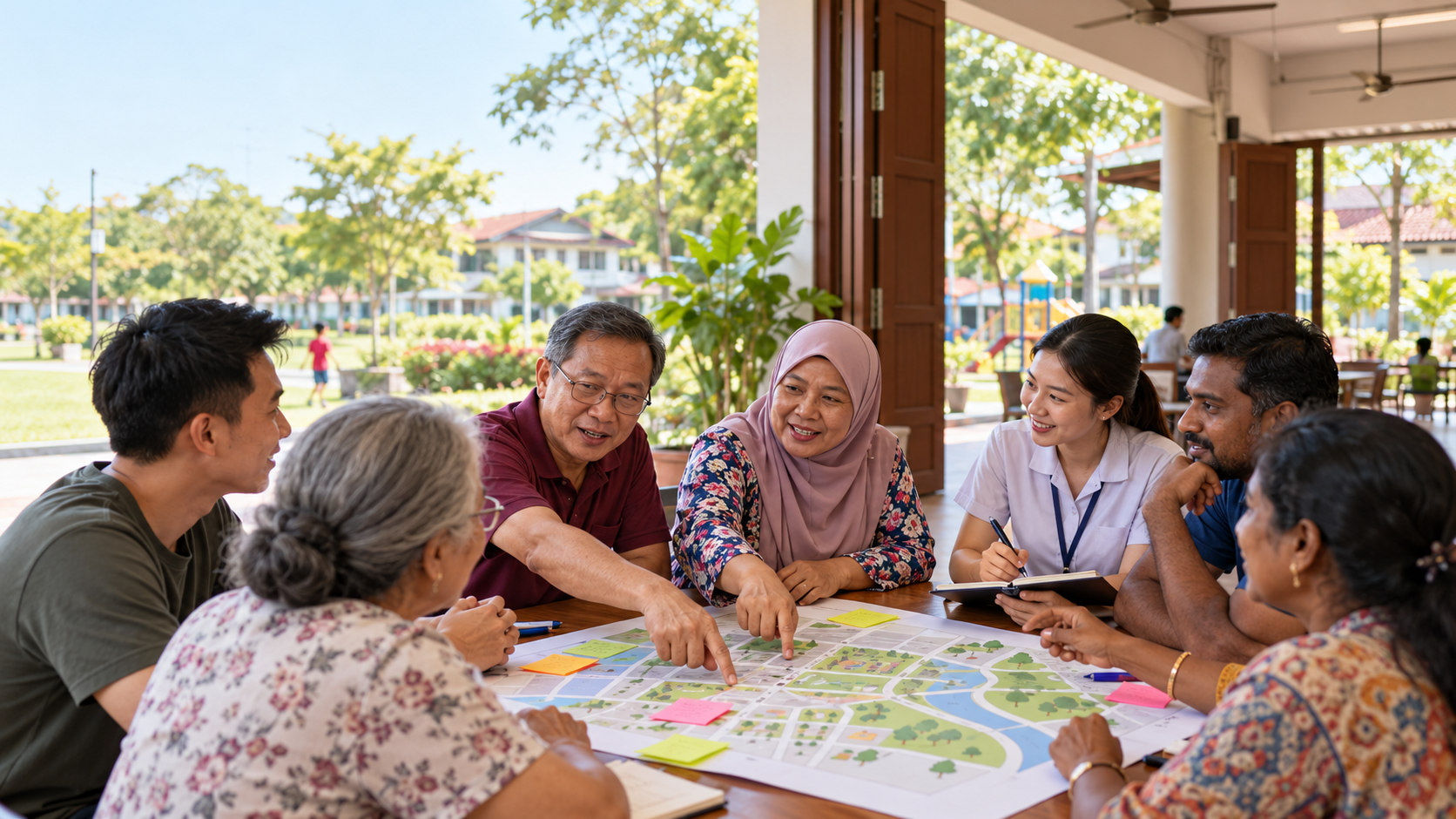
The Importance of Community Engagement in Public Health
Communities are not simply recipients of health programmes. They are essential partners in identifying priorities, shaping solutions and evaluating outcomes.
Meaningful engagement creates opportunities to understand lived experiences and develop interventions that are relevant to local needs. Inclusive participation can also strengthen trust, accountability and the long-term sustainability of public health initiatives.
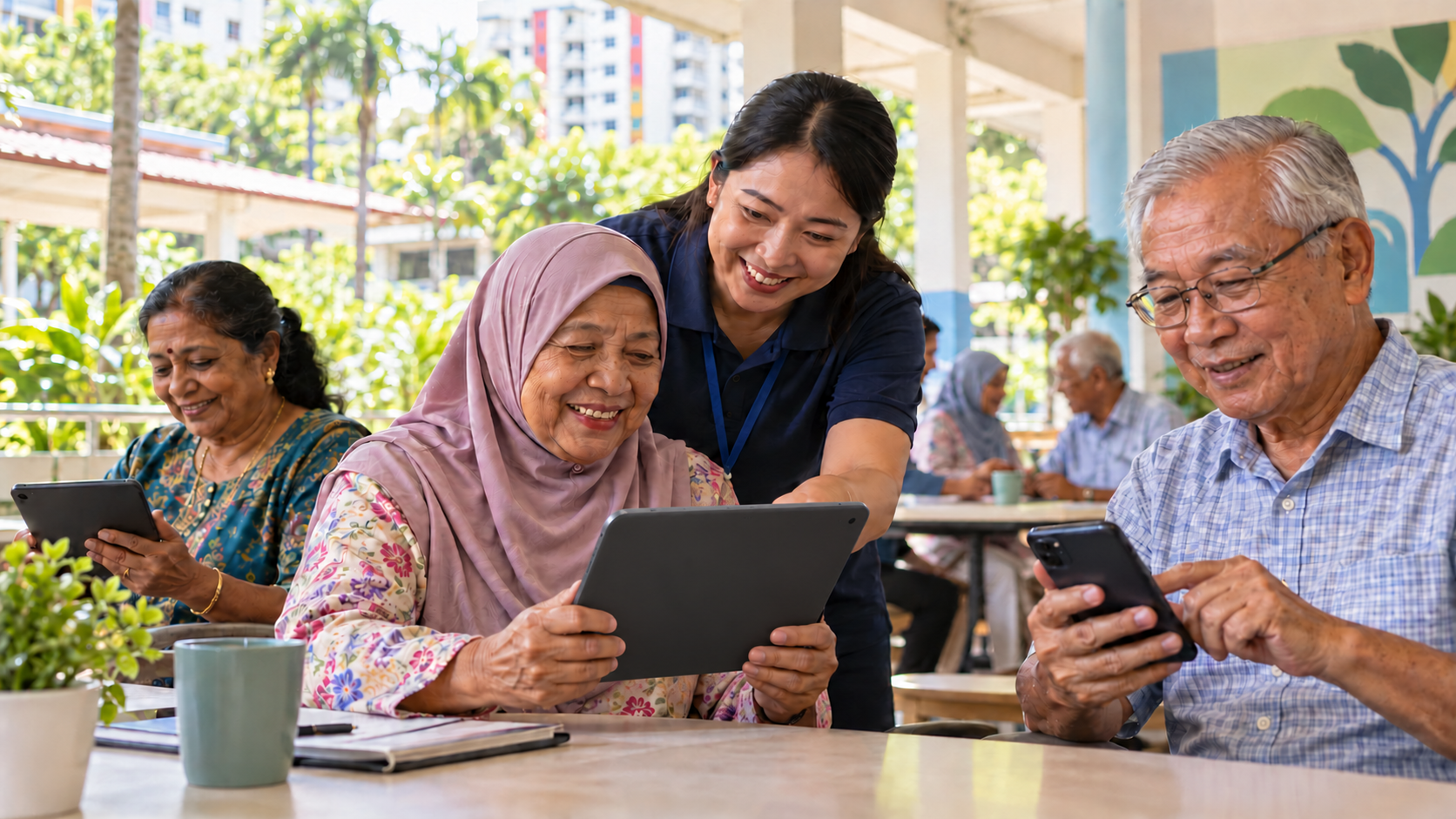
Digital Inclusion and Healthy Ageing
Digital technology offers opportunities to improve communication, healthcare access, public service delivery and social participation. However, the benefits of digital transformation are not always equally accessible.
Older adults may experience barriers relating to digital literacy, affordability, physical accessibility and confidence in using new technologies. Addressing these barriers is essential to ensuring digital innovation supports, rather than excludes, ageing populations.
Sharing Knowledge. Encouraging Better Conversations.
Thoughtful public health dialogue can help bridge the gap between evidence, policy and community needs. Through these insights, I hope to encourage broader conversations on how research, institutions and individuals can contribute to healthier and more equitable societies.